

A Realtime Event Platform for Cloud, Edge, IoT, and Enterprise Systems
An enterprise event platform for cloud, edge, IoT, business systems, dynamic routing, high availability, and message middleware modernization.
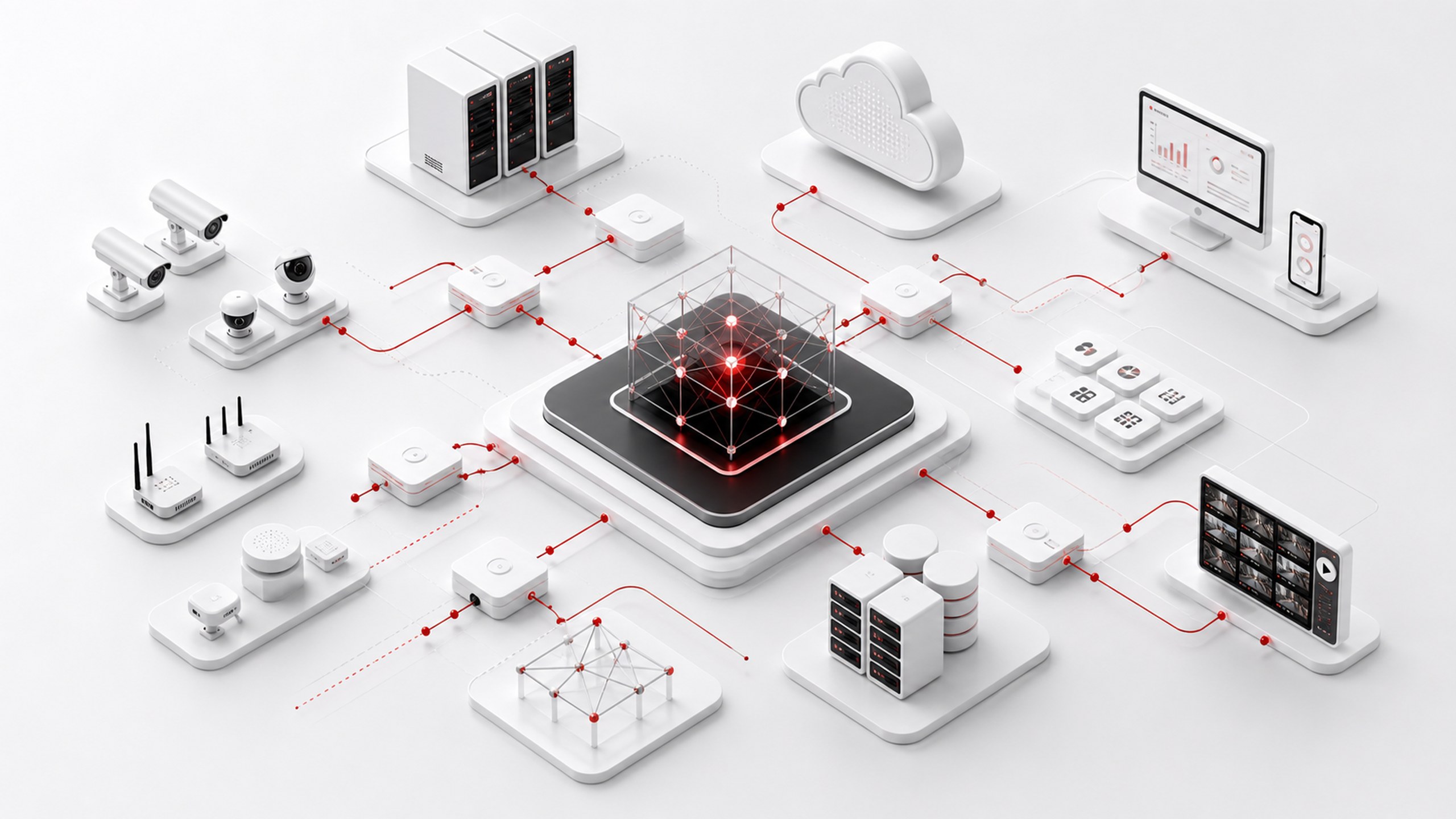
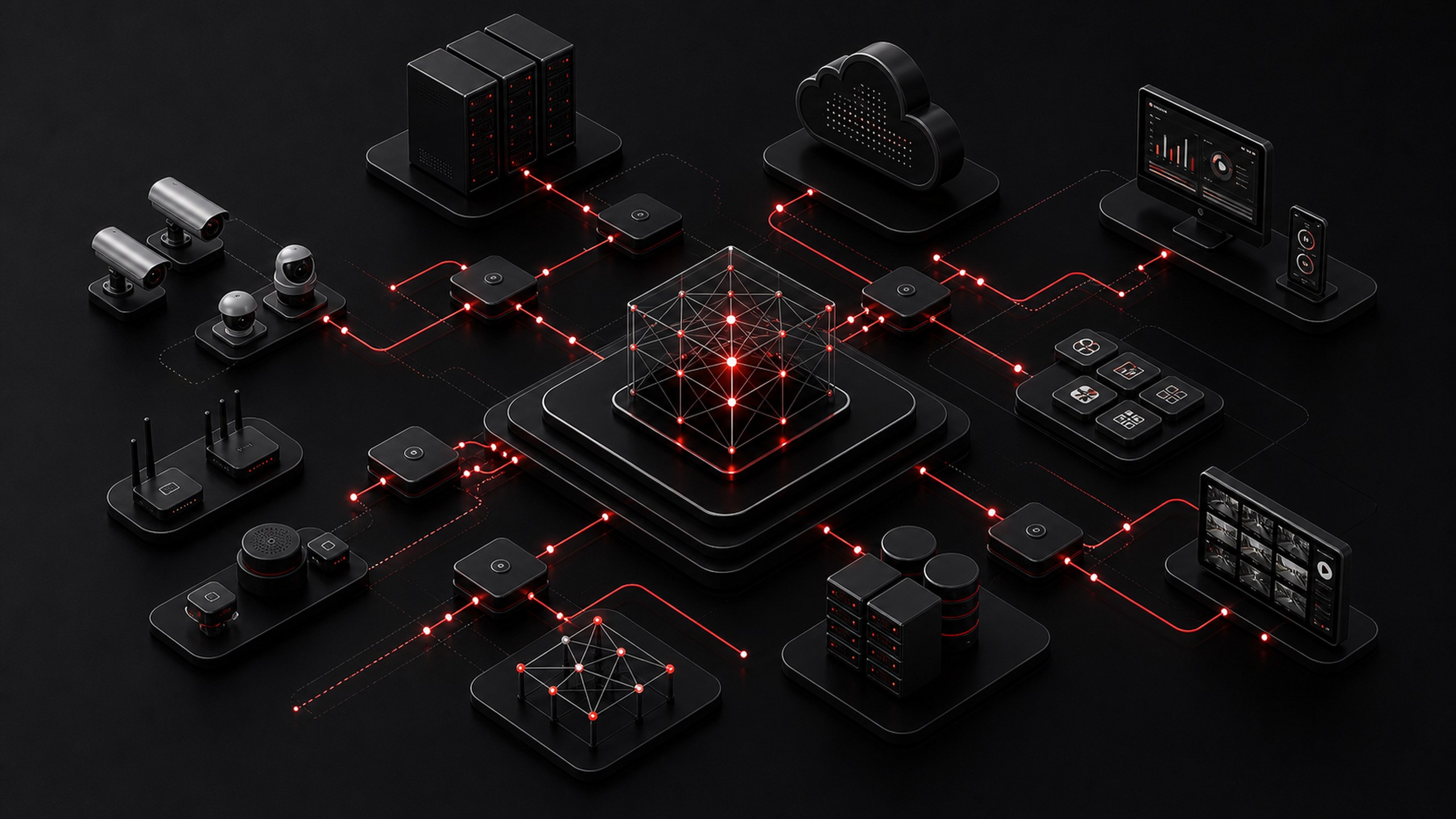
Core Capabilities
Event streaming / Event mesh / Event management / Dynamic self-learning routing / High availability and disaster recovery / Distributed tracing / Hybrid cloud connectivity
Delivery Focus
Architecture assessment, system connection, governance, observability, and launch support.
Next Step
Share your scenario to review architecture options, implementation scope, and the most suitable next step.
Core Capabilities
Event streaming
Event mesh
Event management
Dynamic self-learning routing
High availability and disaster recovery
Distributed tracing
Hybrid cloud connectivity
Typical Scenarios
Message middleware modernization
Order, payment, and inventory status synchronization
Industrial device data return
Cross-cloud business event distribution
Decoupling core systems and modern applications
Connected Systems
Core business systems
Microservice applications
Public and private clouds
IoT devices and edge nodes
Data platforms and AI applications
AMQP / JMS / MQTT / REST / WebSocket
Delivery Method
Architecture consulting
Platform deployment
System integration
Operations support
Team enablement
Implementation Readiness
Clarify key business events and topic boundaries
Confirm message quality, authorization, and audit requirements
Prepare core systems, network conditions, and operations collaboration windows
Applicability Boundaries
Suitable for cross-system status distribution, message platform modernization, and hybrid cloud connectivity
Does not replace transaction processing, master data governance, or database design in business systems
Frequently Asked Questions
Where should a realtime event platform pilot start?
Start with high-value event flows such as orders, payments, inventory, alerts, or device status, then validate topic design, message quality, system connectivity, and operational observability.
Does an enterprise need to replace existing messaging systems all at once?
No. The platform can connect key systems incrementally and gradually consolidate legacy ESB, SOA, messaging middleware, and point-to-point integrations.